


On 6 February 1958, a plane carrying the Manchester United team crashed on the runway at Munich as it attempted to take off.
United had been returning via Germany from a European Cup tie with Red Star Belgrade, and though the aircraft was clearly struggling to get airborne on the icy, wintry conditions in Munich, the third and final attempt was made with disastrous consequences.
Slush on the runway meant the British European Airways Flight 609 could not reach the required speed to become airborne and the plane skidded off the runway, crashed through a perimeter fence and hit a house.
On board the aircraft were not only the revered ‘Busby Babes, but staff, management and several journalists.
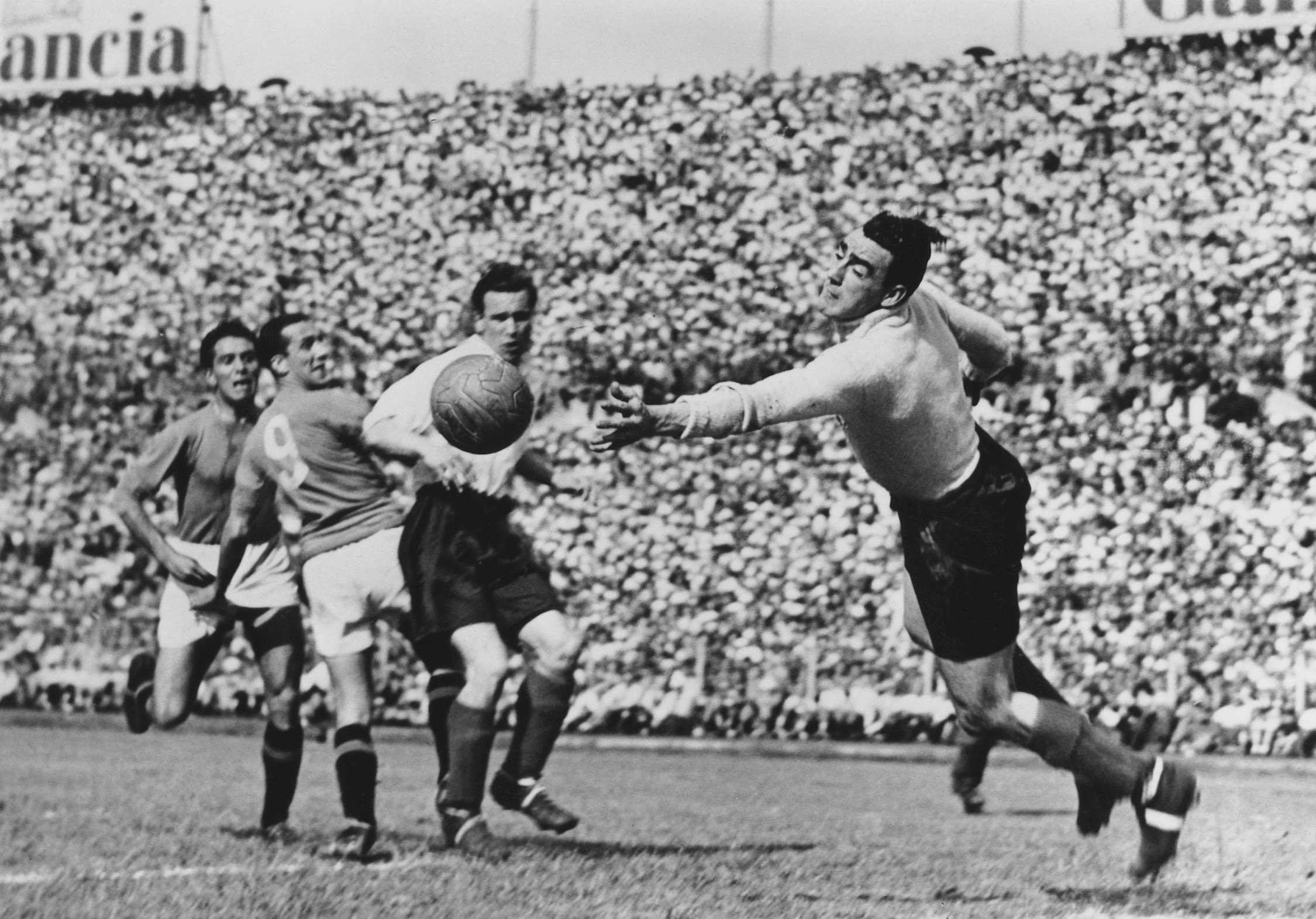
One of those journalists was one of Manchester City's favourite sons, former England goalkeeper Frank Swift, who had retired eight years before and had been covering the game for the News of the World.
Swift would be one of 23 people killed as a result of the crash, with the former Maine Road idol sadly dying on the way to hospital.

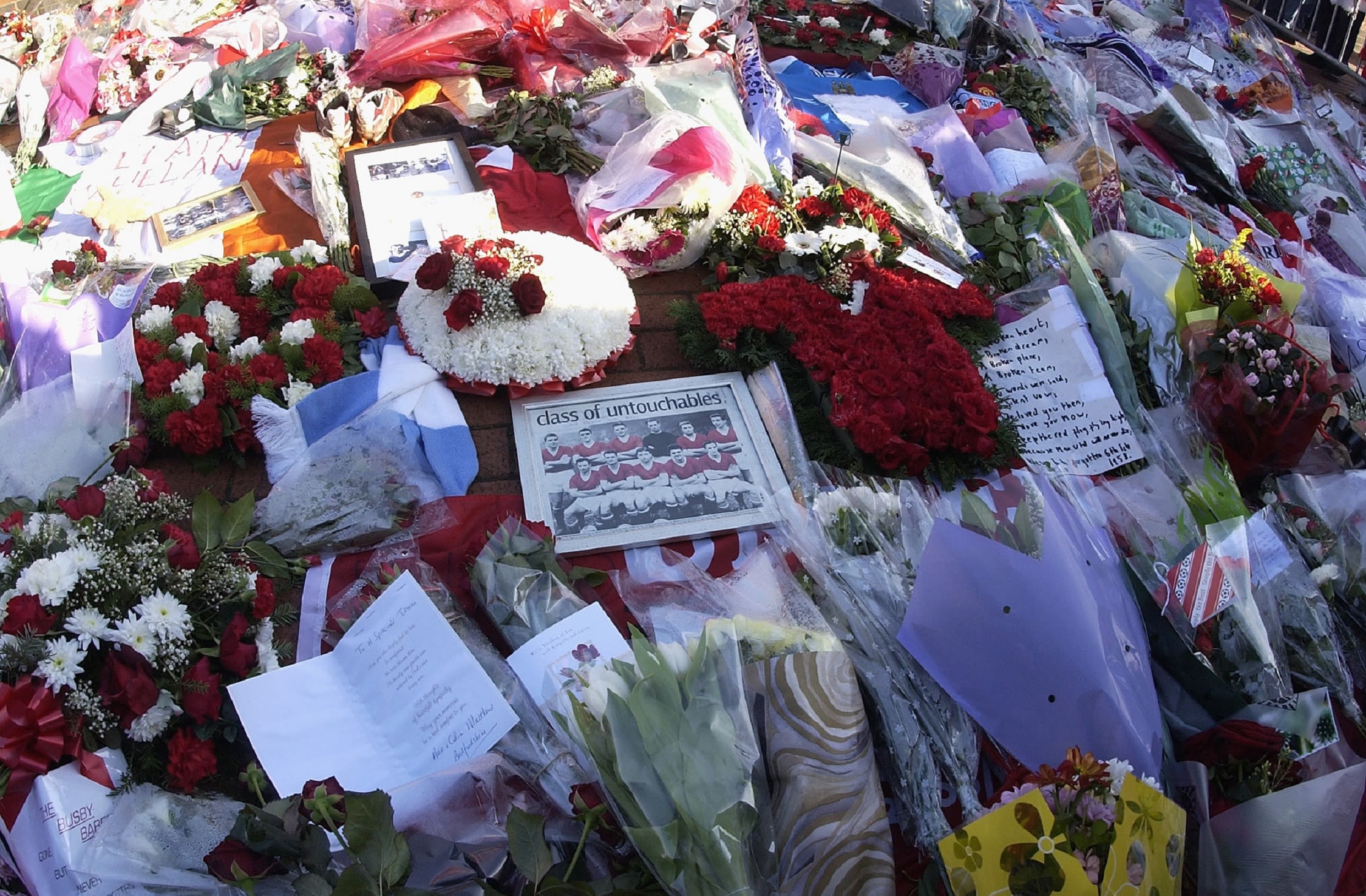
As the news of the crash slowly filtered back to England, there was stunned and utter disbelief that so many young, talented footballers and respected officials could have lost their lives in such horrific circumstances.
It's fair to say the world was in shock, but in Manchester there was little doubt that this was the epicentre of the grief.
What is perhaps not so well known some 65 years on, is how this tragedy touched the lives of all Mancunians with the death of Swift, who had been a City player for more than 16 years and made more than 500 appearances, underlining this was a tragedy that had affected both clubs.
What is also worth recalling, is how the people of the city came together to support each other during the incredibly painful days that followed. And as Manchester United Football Club came to terms with the awful reality of the situation, it was Manchester City Football Club who stood by their neighbours in their darkest hour.
Just as City had immediately offered to groundshare with the Reds after Old Trafford was hit by a bomb in the Second World War, City were there again offering whatever help they could by uniting as one.
City chairman, Alan Douglas, issued a statement in the immediate aftermath, saying: “I am very upset by this tragedy. I knew many of the party personally and I expressed my deep sympathy to the relatives of those who may have died. We are so sorry for United and if there is any help we can give them, we shall.”
City keeper Bert Trautmann, who had successfully filled what had seemed like impossibly huge gloves after Swift’s retirement, added: “I still find it hard to believe that these men whose hands I'd held in friendship for so long won't be here anymore. We all feel that way about it at Maine Road. It has struck us very hard because although we were possibly United’s strongest rivals, we are also neighbours which means friends.”
City skipper Dave Ewing said: “Anything we can do to help in any way we shall do with all our hearts.”
Just two days later, with no fixtures in England cancelled, City players were visibly shaken and in no fit state to play, losing 5-1 to Tottenham in London. The next match would see an 8-4 loss away to Leicester.
At City's home game against Birmingham City, the Club and supporters organised a special collection to be taken inside and outside Maine Road in aid of the disaster fund. The only glimmer of hope to emerge after the accident was the fact that there had, somehow, been survivors.
The Manchester Chronicle had reported after the crash that Matt Busby (a former City player) was critical, Duncan Edwards and Tommy Taylor were seriously injured, Jimmy Blanchflower was satisfactory, Bobby Charlton, Albert Scanlon and Kenny Morgans were in reasonably good condition and it wasn't long before Harry Gregg and Bill Foulkes were able to leave Munich and make the journey back home.
But that encouraging news was soon tempered as reports that, perhaps United’s greatest ever player, England star Duncan Edwards, was critically ill and Taylor didn’t survive the night. Edwards fought for 15 days, before he succumbed to his injuries and passed away in hospital in Munich.

As the funerals took place in Manchester, so the city continued its long and painful period of mourning. On Edwards’ passing, former City captain Roy Paul said: “It is one of the greatest tragedies of soccer. Here was a boy who was by far the greatest half-back I've ever seen and he was not yet at his peak. His death is a blow that English football will feel for years to come.”
One week on from the Munich Air Disaster, hundreds of people attended the funeral of Frank Swift at St Margaret’s Church in Whalley Range, just a couple of miles away from Maine Road where he had been such a popular figure.
And just as many City fans, players and officials attended the funerals of Manchester United players, so United supporters and officials attended the service held for Frank, a gentle giant of a man, at the Manchester Crematorium.
Former City team-mates Les McDowall, Laurie Barnett, Fred Tilson, Eric Brook and Eric Westwood were the pall-bearers as Frank made his final journey that day, watched on by huge crowds of mourners.
Eight United players had been killed in Munich and Johnny Berry and Jackie Blanchflower would never play again. Bobby Charlton, Bill Foulkes, Harry Gregg, Kenny Morgans, Albert Scanlon, Dennis Viollet and Ray Wood incredibly would all go on to continue their careers.
After recovering from his injuries, manager Matt Busby then started to rebuild his squad and, against all odds, guided United to victory in the FA Cup final barely five years later in what would be the start of a glorious period for the Reds. An emotional homecoming saw many City fans acknowledge our neighbours’ success in the thousands that stood shoulder to shoulder on the streets of Manchester.
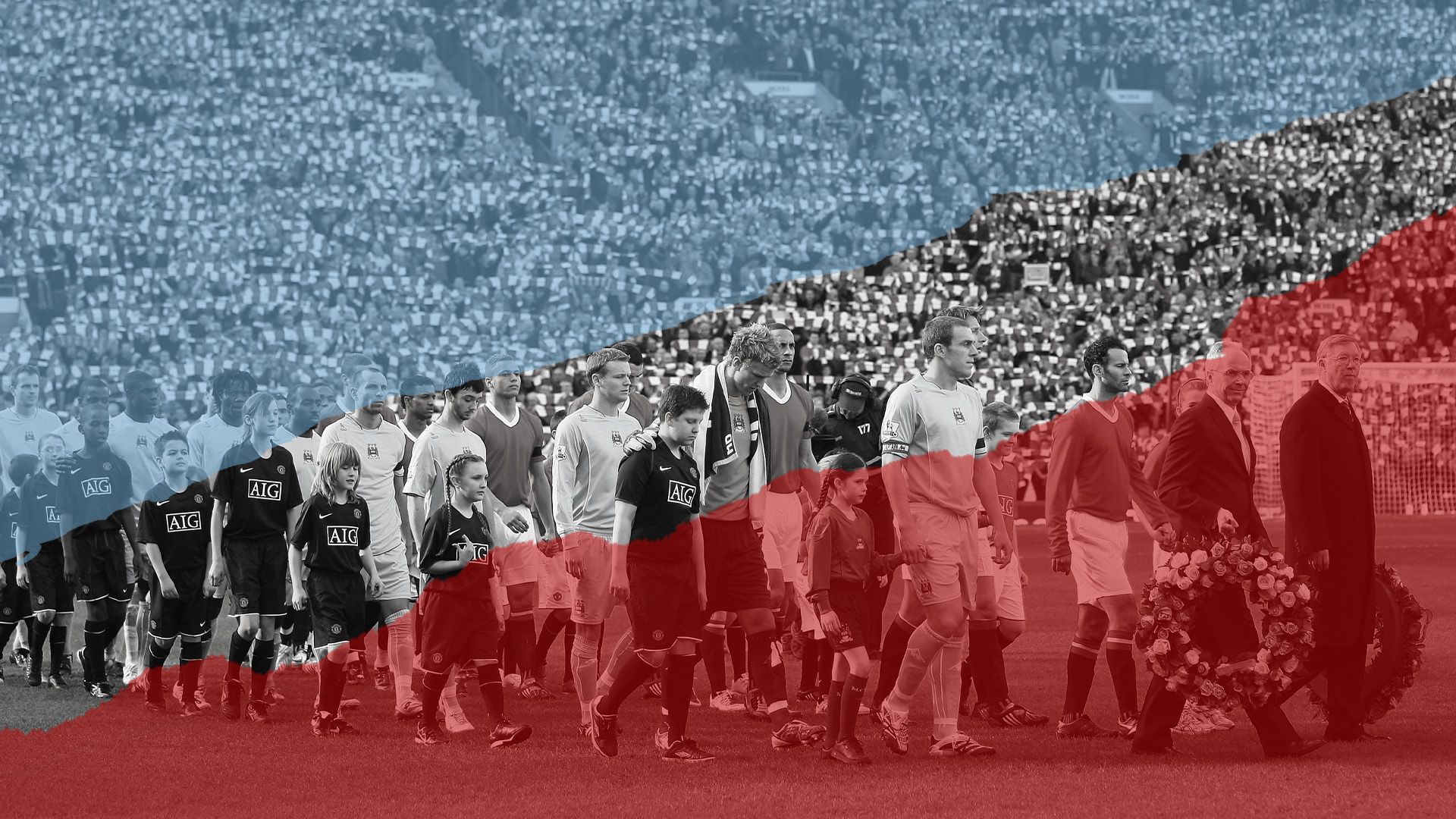
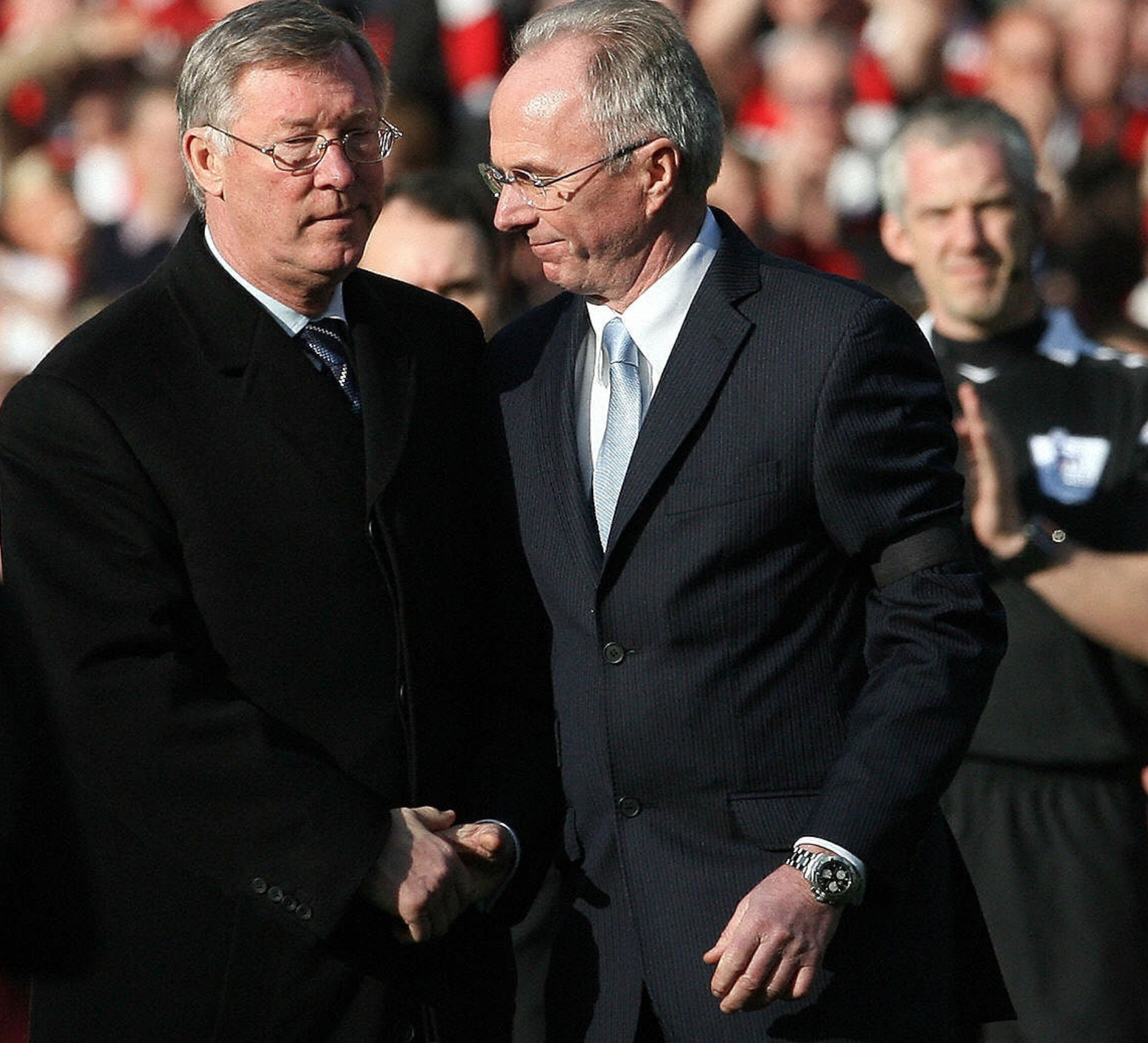
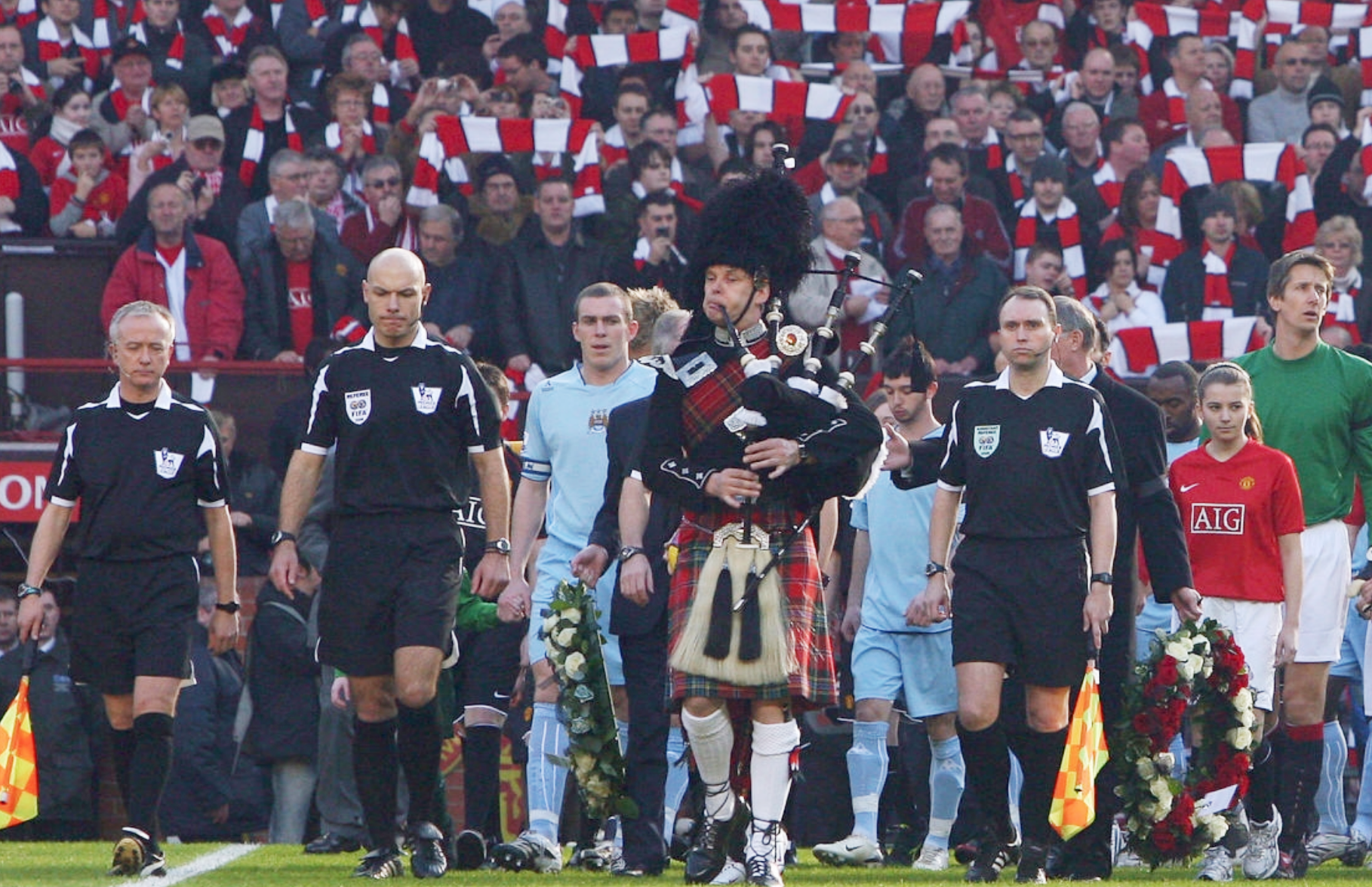
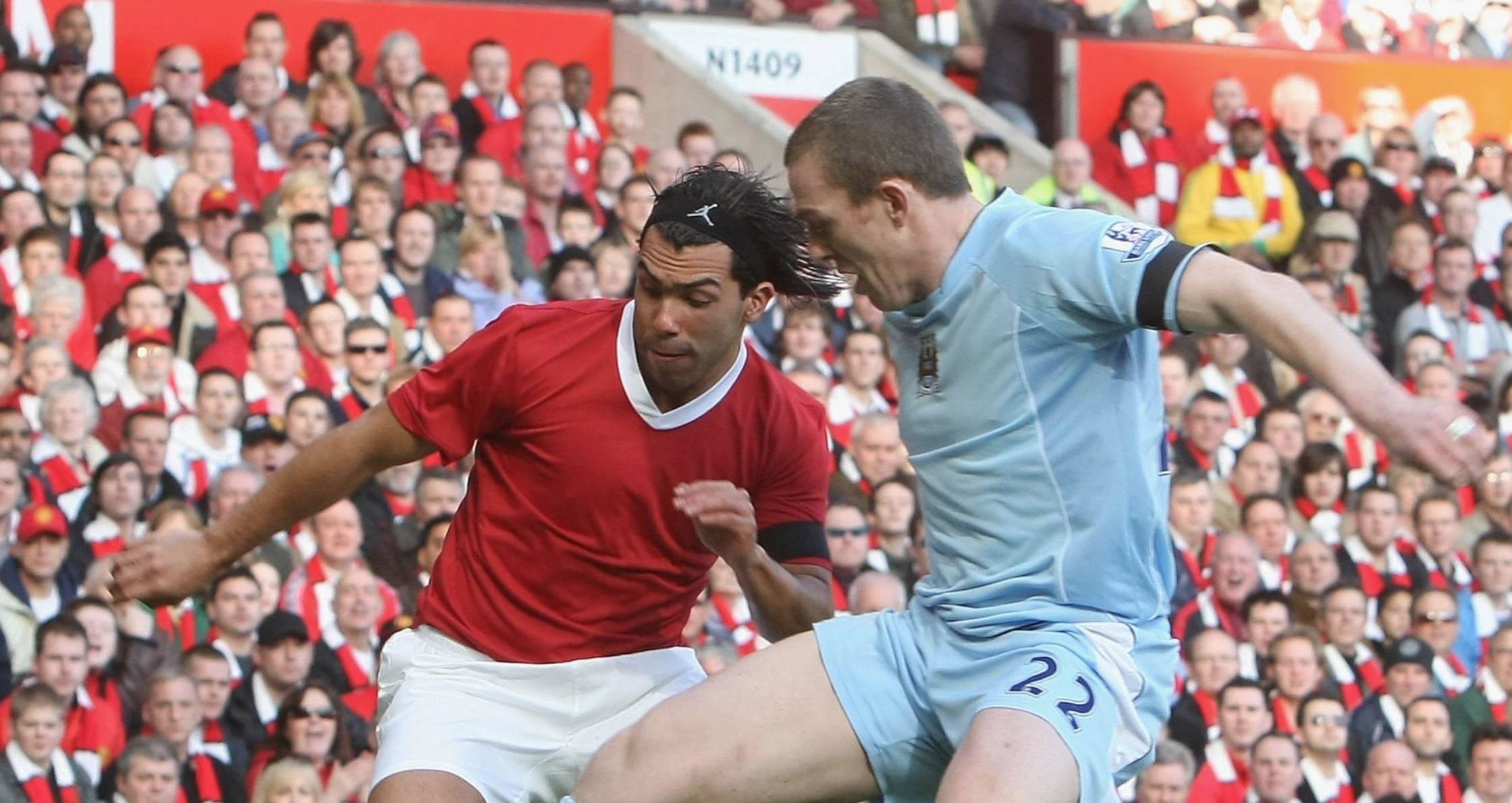
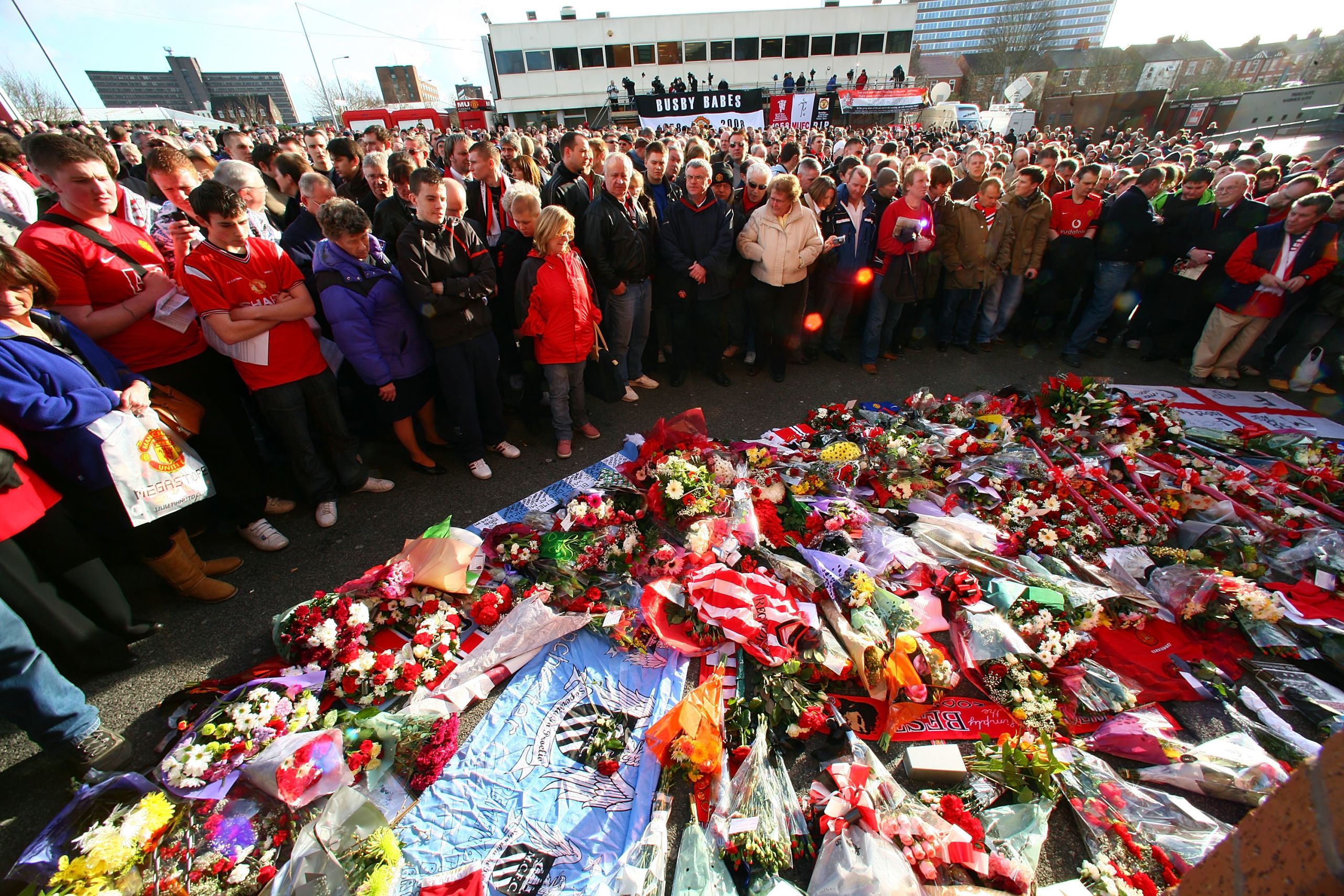
City and United have always been rivals and always will be, but when it matters most, Blues and Reds have always stood by each other’s side. It’s not always been a smooth ride and when the Manchester derby fell on 6 February, 2008, the football world held its collective breath as the two tribes met on what was the 50th anniversary of the Munich Air Disaster. As the referee blew his whistle for the one minute silence to remember all those who had died in the tragedy, the 3,000 City fans in the corner of the former Scoreboard End raised their blue and white scarves in unison with the United supporters as Old Trafford fell completely silent. That was how it was always going to be.
Manchester has suffered over the years.
The Second World War saw the city hit hard, and in years to come there was the 1996 IRA bomb that ripped the city centre apart and the unspeakable atrocity committed at the Manchester Arena on May 22, 2017. The people of Manchester have always stood together when tragedy strikes, supporting each other and defiantly emerging prouder and more resilient than before.
It was no different after the Munich Air Disaster.
Manchester: a city united, indeed





 Built with Shorthand